
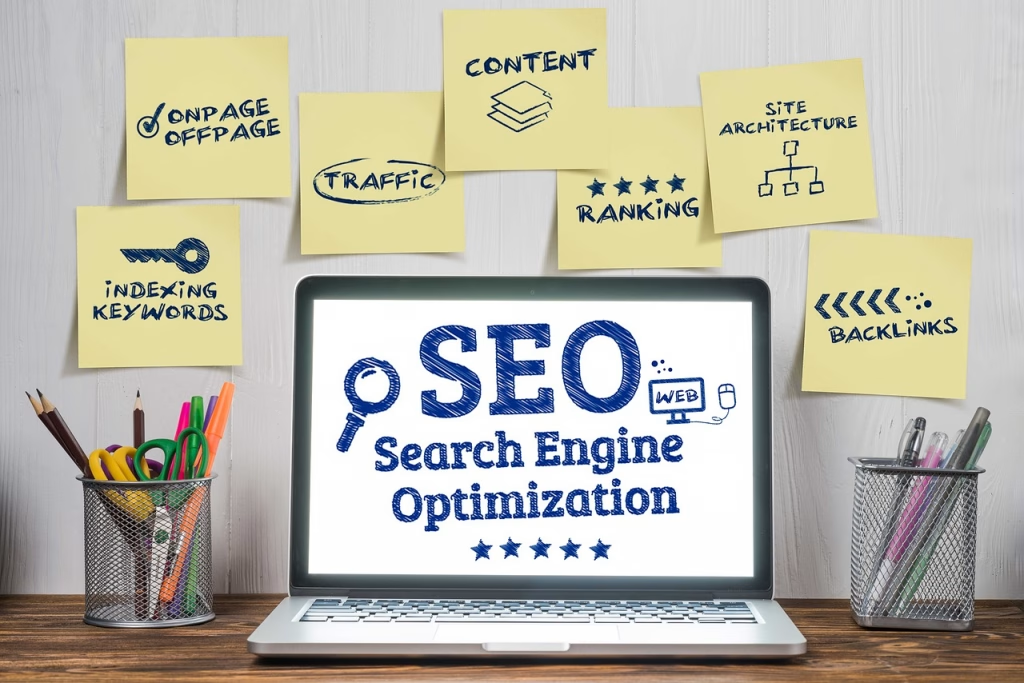
What Is Search Engine Optimization and How Does It Work?
Introduction to Search Engine Optimization (SEO) If you’ve ever searched for something on Google and clicked one of the first results, you’ve experienced the power of Search Engine Optimization. But what exactly is Search Engine Optimization, and why does it matter so much for businesses, bloggers, and anyone with a website? Let’s break it down in simple, everyday terms. What Does Search Engine Optimization Stand For? SEO stands for Search Engine Optimization. In plain words, it’s the process of making your website more visible to people who are searching online. Think of it like putting up a bright, attractive sign for your shop in a busy marketplace — SEO makes sure search engines notice your website and show it to the right audience. Why Is Search Engine Optimization (SEO) Important? Have you ever clicked past page two of Google? Probably not. Most people find what they need on the first page. SEO helps you land on that page, increasing traffic, building credibility, and ultimately boosting your sales or influence. How Search Engines Work To understand SEO, you first need to know how search engines like Google function. Crawling Search engines send out bots (also called spiders) to “crawl” the web, discovering new and updated content. Indexing Once crawled, the content is stored in Google’s vast database, called an index, so it can be retrieved later. Ranking When someone searches, Google uses algorithms to decide which pages are most relevant and ranks them accordingly. Key Elements of Search Engine Optimization (SEO) On-Page SEO This refers to everything you control on your website. Title Tags & Meta Descriptions: These act like headlines and short ads for your site in search results. Keyword Optimization: Using the right keywords naturally within your content. Internal Linking: Linking to other pages on your site for better navigation and authority flow. Off-Page SEO This is about building credibility outside your website. Backlinks: Links from other websites pointing to yours. Social Signals: Mentions, shares, and engagement on social media. Technical SEO This ensures your site works smoothly. Site Speed: Faster websites keep users happy. Mobile Optimization: Google ranks mobile-friendly sites higher. Secure HTTPS: A secure website builds trust. Types of Search Engine Optimization (SEO) White Hat Search Engine Optimization (SEO) Following search engine guidelines honestly — the safest and most sustainable method. Black Hat Search Engine Optimization (SEO) Tricks like keyword stuffing or buying links. They might work short-term but risk penalties. Grey Hat Search Engine Optimization (SEO) A mix of both, often walking a fine line between ethical and risky tactics. How Keywords Work in Search Engine Optimization (SEO) Keywords are the bridge between what people search for and the content you create. Short-Tail Keywords: Broad, high-competition terms like “SEO.” Long-Tail Keywords: Specific phrases like “how does SEO work for small businesses.” Search Intent: Understanding whether the user wants information, products, or services. Content and Search Engine Optimization (SEO) Importance of Quality Content “Content is king.” Google loves valuable, well-written content that solves users’ problems. Content-Length & Value Longer doesn’t always mean better, but detailed content often performs well. User Engagement Signals Bounce rate, time on page, and clicks tell Google how users feel about your content. How Backlinks Affect Search Engine Optimization (SEO) High-Quality vs Low-Quality Backlinks A link from a reputable site (like Forbes) is worth more than dozens from spammy sites. Link-Building Strategies Guest posting, collaborations, and creating share-worthy content are effective tactics. Search Engine Optimization (SEO) Tools and Analytics No SEO effort is complete without tracking progress. Tools like: Google Analytics: Tracks traffic and user behavior. Google Search Console: Shows how your site performs in searches. SEO Plugins: Tools like Yoast or Rank Math help with optimization. Local Search Engine Optimization (SEO) For small businesses, local SEO is a game changer. Google Business Profile: Optimizing your listing helps people find you. Local Citations: Ensuring your name, address, and phone number are consistent online. Reviews and Ratings: Positive reviews boost both trust and rankings. Voice Search and Search Engine Optimization (SEO) With Siri, Alexa, and Google Assistant, voice search is rising fast. Conversational Keywords: People speak searches differently than they type. Example: Instead of typing “best pizza Lagos,” they’ll say, “Where can I get the best pizza near me?” Mobile Search Engine Optimization (SEO) Since most searches happen on phones, mobile SEO is crucial. Responsive Design: Ensures your site looks good on all devices. Mobile Page Speed: Slow sites lose mobile users quickly. Common Search Engine Optimization (SEO) Mistakes to Avoid Keyword Stuffing: Overusing keywords looks unnatural. Ignoring Technical SEO: Broken links and slow sites hurt rankings. Duplicate Content: Copying content confuses search engines. The Future of Search Engine Optimization (SEO) SEO isn’t static. It’s always evolving. AI and Machine Learning: Google uses AI to better understand searches. Search Personalization: Results are becoming more tailored to individuals. Visual and Video SEO: Optimizing images and videos is becoming more important. Conclusion SEO is not just a marketing buzzword — it’s the backbone of online visibility. By understanding how search engines work and optimizing your site with the right mix of on-page, off-page, and technical SEO, you can climb the rankings, reach more people, and grow your brand. Remember, SEO is a journey, not a one-time fix. The more you nurture it, the better results you’ll see. FAQs 1. How long does SEO take to work?SEO results usually start showing within 3–6 months, depending on competition and effort. 2. Is SEO better than paid ads?SEO brings long-term results, while ads provide quick visibility. A mix of both works best. 3. Do I need to hire an SEO expert?Not always. Basic SEO can be learned, but experts are often needed for complex strategies. 4. Can SEO guarantee the #1 spot on Google?No, no one can guarantee top rankings. SEO increases your chances, but algorithms decide. 5. Is SEO still relevant in 2025?Absolutely! As long as search engines exist, SEO will continue to be crucial.
What Is Search Engine Optimization and How Does It Work? Read More »